
Do not change the whole factory at once

Start with one product family, a few machines and a few operators. Widen the scope once the system has proven itself on the shop floor.
Do not change the whole factory at once
Pilot project

Do not change the whole factory at once

Start with one product family, a few machines and a few operators. Widen the scope once the system has proven itself on the shop floor.

  • One product family, a few machines, a few operators
  • Master data is entered in half a day, once
  • The old method runs in parallel for a while
  • Results are measured before the scope widens

How the pilot runs

Narrow scope, short time, measurable result

Scope and master data

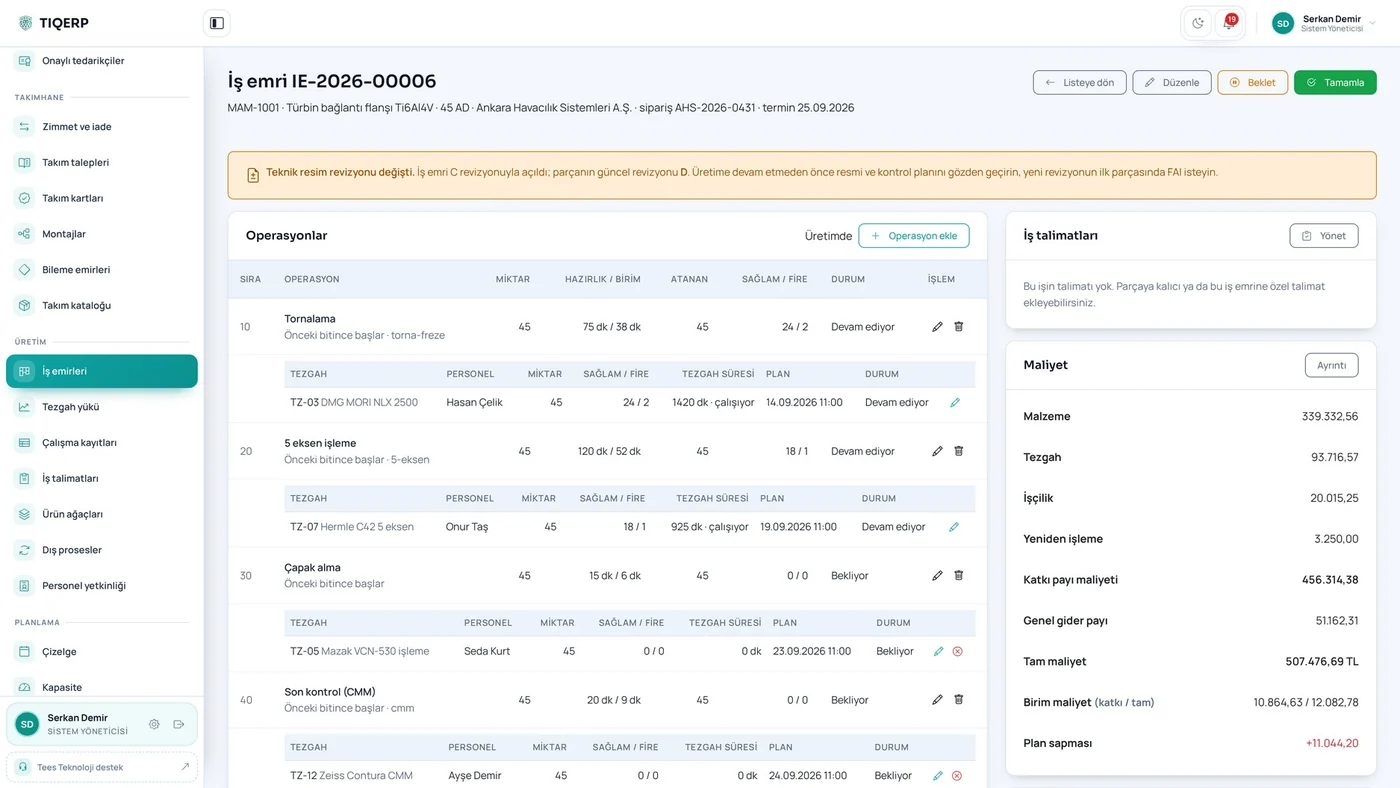
A repeating product family and its machines are selected; company data, shifts, warehouses and control plans are entered.

Week 1 See the screen

Installation and training

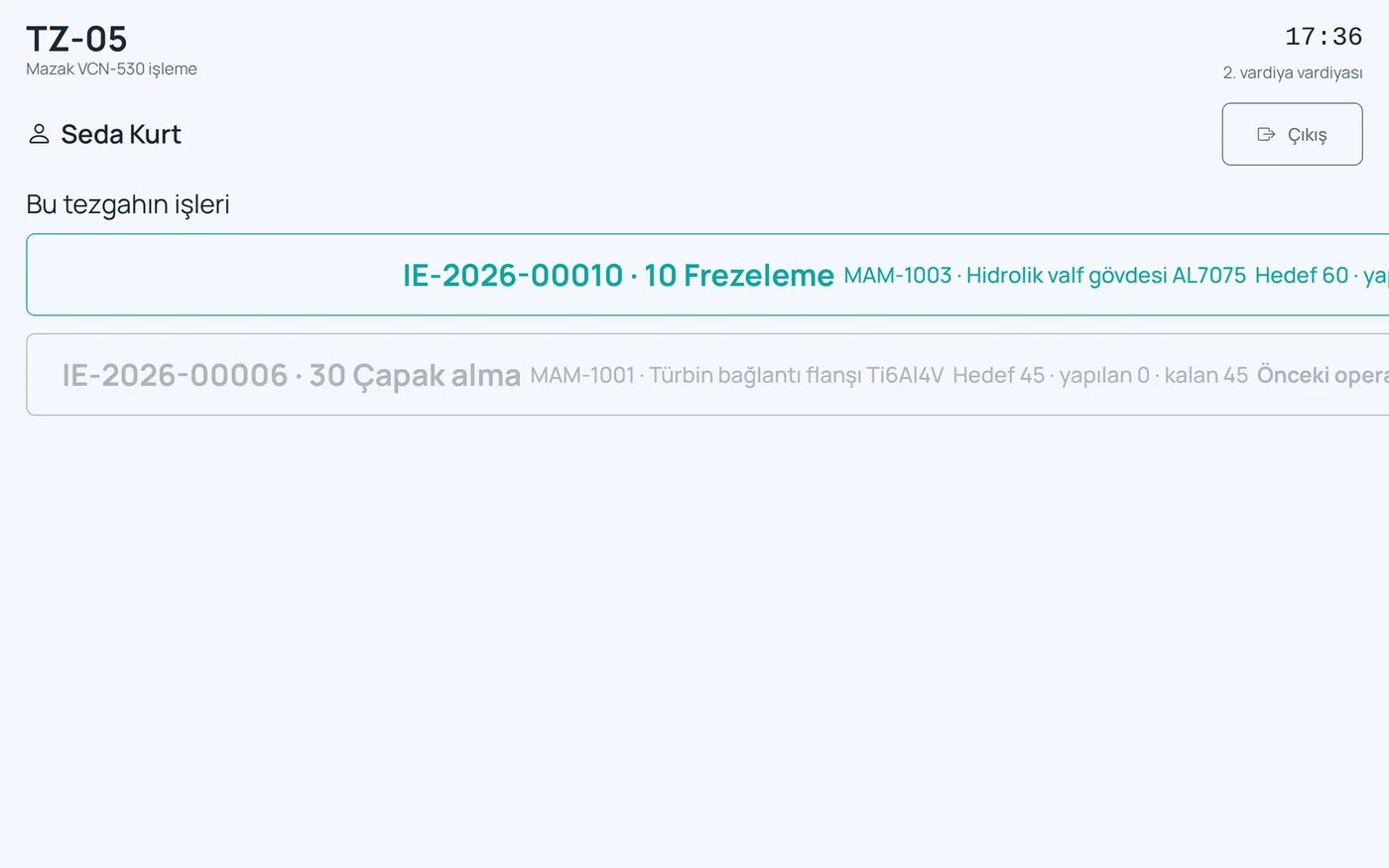
The server is prepared, terminals and card readers connected; operator training is short.

Week 2 See the screen

Running on the floor

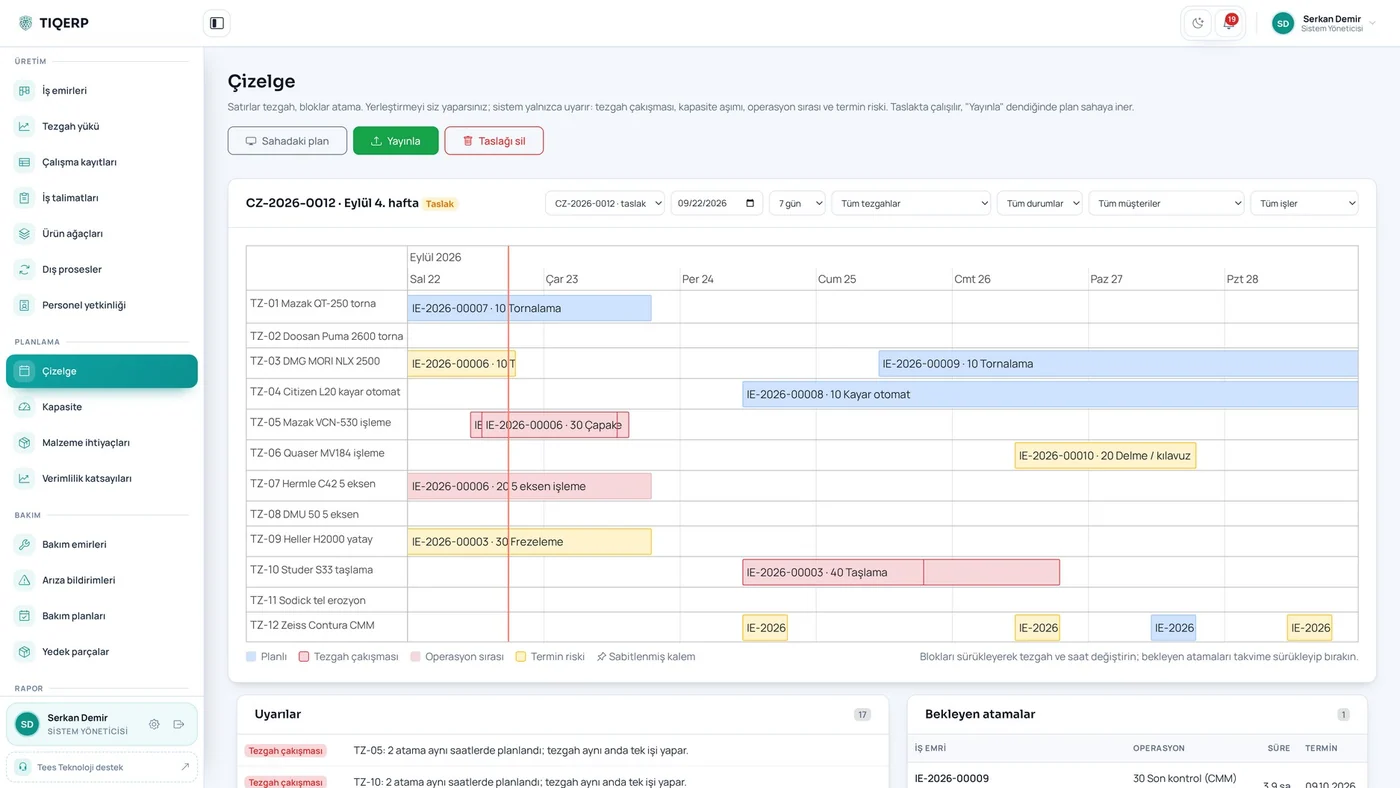
Selected jobs run through the system while the old method continues in parallel for comparison.

Weeks 3-6 See the screen

Review

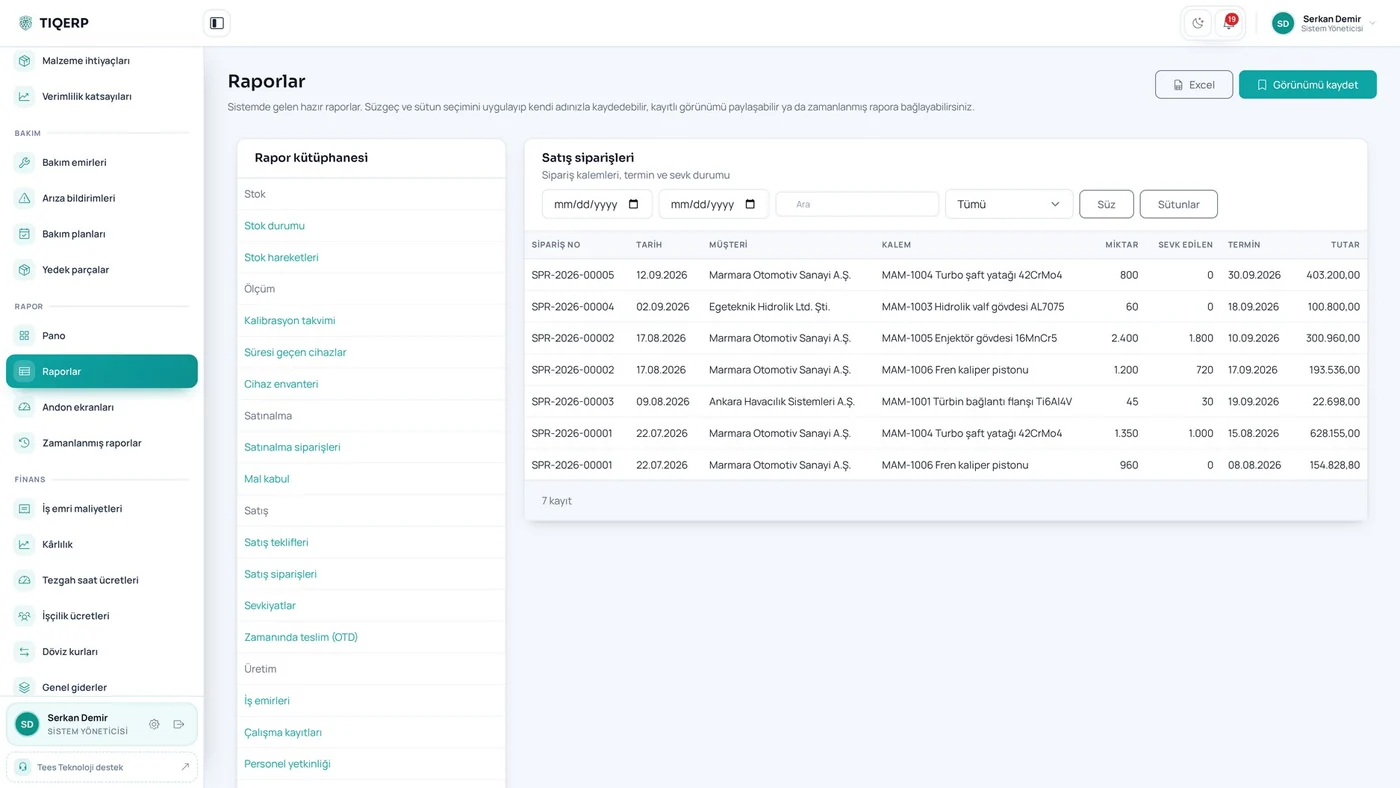
Planned versus actual duration, scrap rate and reasons, downtime, on-time delivery and the gap between real cost and quoted price.

End of pilot See the screen
A pilot is not a demo.

Your real jobs go into the system and the same installation continues as the scope widens.

Why a pilot?

Most production software projects struggle because of scope rather than technology. When every machine, every product and every department is switched on at once, the definition work grows, the shop floor gets tired and months pass before anyone sees a benefit.

With a small scope the system starts producing real data within weeks. With that data you can discuss concretely how long a job actually takes, where scrap occurs and why a delivery date slipped.

How the pilot runs

  1. Choosing the scope. A repeating product family that matters to you, the few machines it passes through and the operators who run them.
  2. Master data. Company details, machines, the shift calendar, warehouses, stock cards and control plans for the selected products. This is usually half a day of work and is done once.
  3. Installation. The server is prepared, terminal tablets and card readers are connected.
  4. Training. Operator training is short because the terminal has no password and no keyboard. Planning and quality are trained separately.
  5. Running on the floor. The selected jobs run through the system for a few weeks while the old method continues in parallel.
  6. Review. The targets are measured and the plan for widening the scope is drawn up together.

What we measure

A few figures are agreed at the start of the pilot and discussed with numbers at the end: the deviation of actual work order duration from the plan, the scrap rate and its reasons, the distribution of machine downtime, the on-time delivery rate, and the gap between the actual cost of the selected parts and the price quoted for them.

A pilot is not a demo: your real jobs go into the system, and the same installation continues as the scope widens.

One platform, set up for your factory

We listen to how you produce and decide together which modules you need. Installation is done on site and training is included.