
Let's talk about your production
One platform, set up for your factory
We listen to how you produce and decide together which modules you need. Installation is done on site and training is included.
September 23, 2026
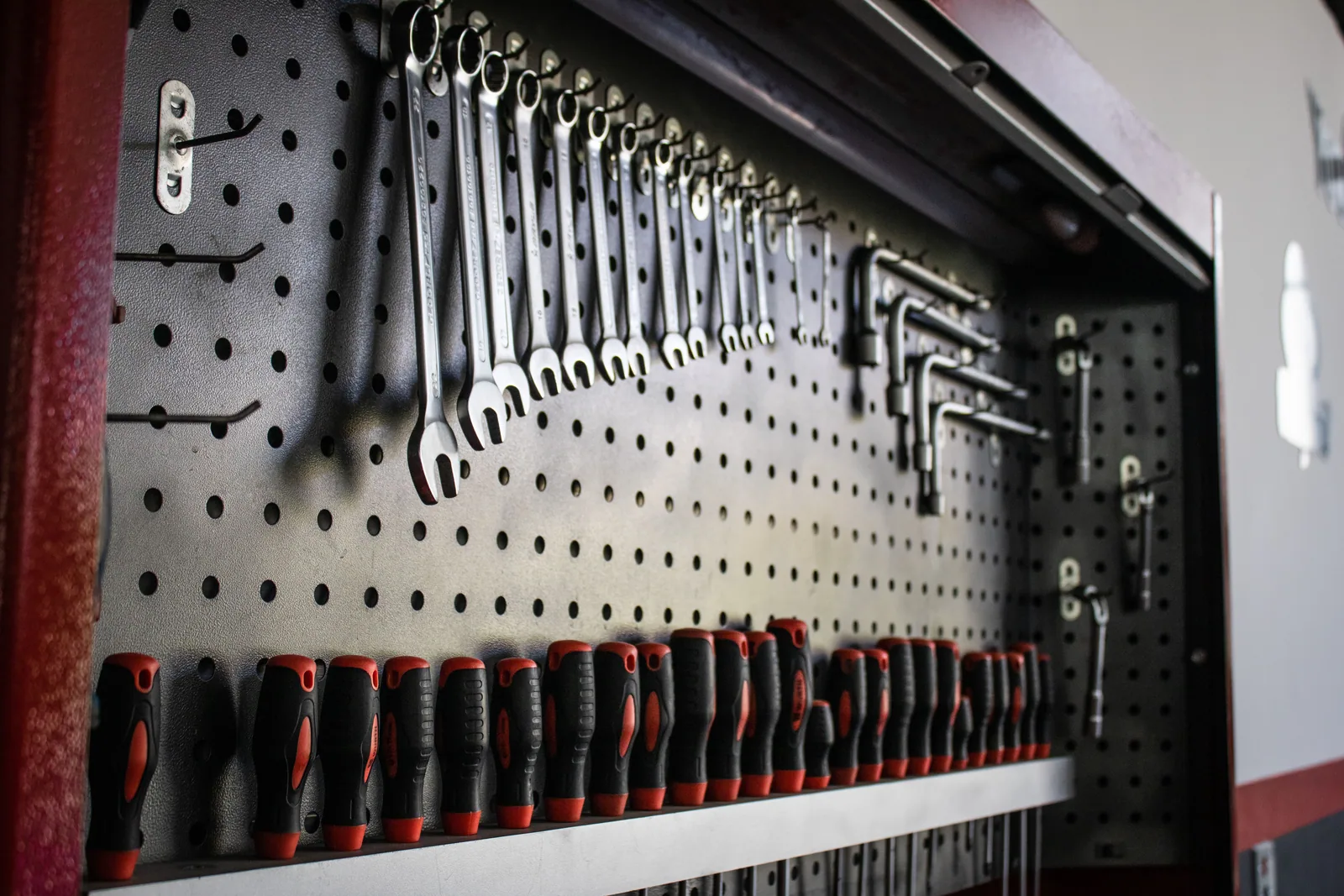
The amount a shop spends on cutting tools in a year is usually surprising. Ask which jobs that money was spent on and there is no answer: tools leave the store, spread across machines, some stay in drawers and some disappear.
They do not all need the same treatment. For consumables such as inserts only the quantity matters; issuing them reduces stock. For tools with a life, such as an end mill, cutting time is followed alongside quantity. For holders, special tools and gauges, each physical item has its own record; issuing it does not reduce stock, it only changes who holds it.
Without that distinction you either try to serialise every insert and make the system unusable, or track nothing and lose the cost.
If a tool returned from a machine goes straight back on the shelf, the next operator takes it assuming it is sound. The correct flow is that every returned tool enters quarantine, is inspected, and is then routed accordingly — sound tools to the store, tools needing regrinding to a regrind order, damaged ones to repair, worn-out ones to scrap.
Each regrind reduces the diameter and the tool has a limited number of them. If the count and the remaining allowance are not recorded, the tool eventually stops holding size and you find out when the part is scrapped.
When a tool issue is linked to a work order, the tooling line appears in that part's cost. Only then does the true cost of an operation that keeps breaking tools become visible — and the quoted price can be corrected accordingly.
We listen to how you produce and decide together which modules you need. Installation is done on site and training is included.